Servant of God OCD
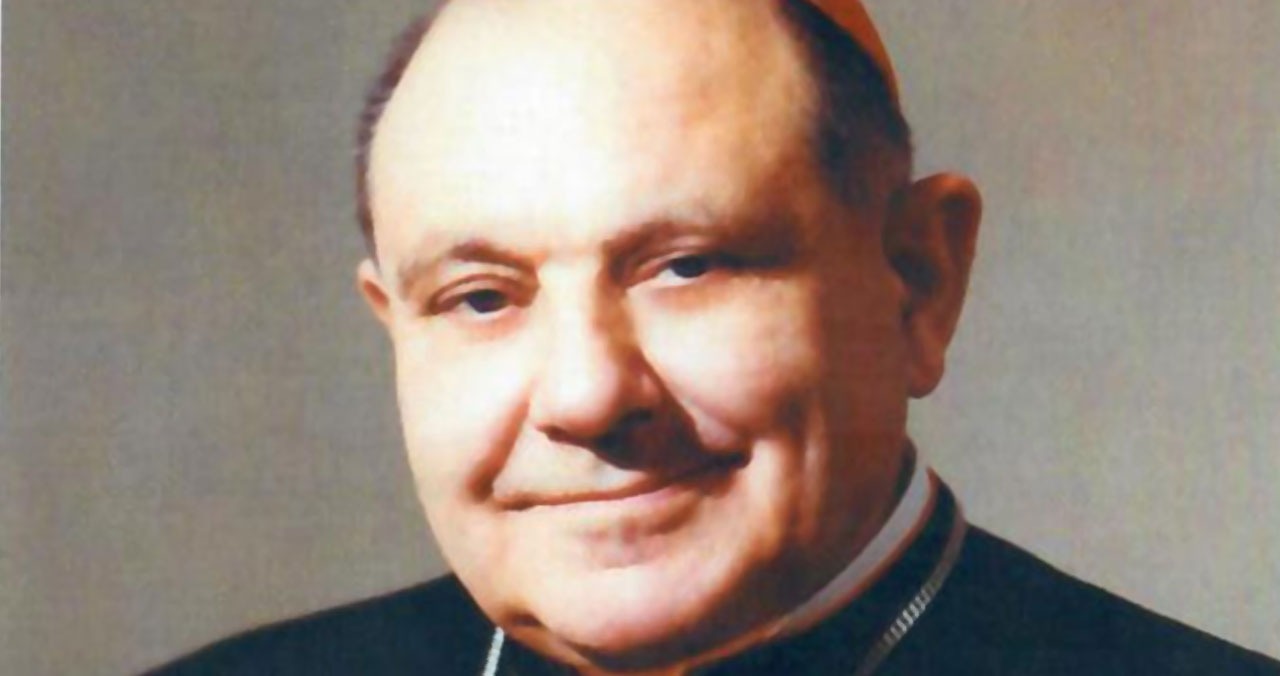
Anastasio Alberto Ballestrero (cardinale)
Biography
Anastasio Ballestrero was born in Genoa on October 3, 1913, the first of five children of Giacomo Ballestrero and Antonietta Daffunchio.
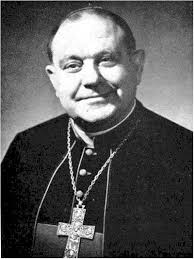
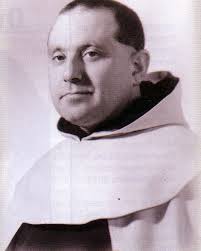
He entered the Order of Discalced Carmelites. On 6th of June 1936 he was ordained a priest. He participated in the Second Vatican Council as Superior General of the Carmelites, a position he held for 12 years, from 1955 to 1967. On 21 December 1973 he was appointed Archbishop of Bari and Canosa. He received episcopal consecration on February 2nd, 1974.
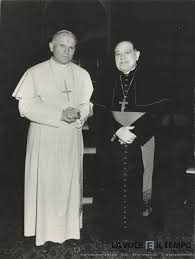
In 1975 he preached the spiritual exercises to Paul VI and the Vatican Curia. On 1st of August 1977 he was called to succeed Cardinal Michele Pellegrino and was appointed Archbishop of Turin. Pope John Paul II elevated him to the rank of cardinal in the consistory of 30th of June 1979. From 1979 to 1985 he was president of the Italian Bishops’ Conference. On February 5, 1980 he formalized the constitution of the Turin diocesan Caritas, after an experimental period during which it had been managed by the engineer Giorgio Ceragioli. On that occasion he appointed Don Piero Giacobbo as director, who in 1986 was replaced in the leadership of Caritas by Fr Sergio Baravalle.
His pastoral letters, as well as the two diocesan ecclesial conferences that were held during his episcopate (Evangelization and Human Promotion and On the Roads of Reconciliation), had a considerable influence on the path of the Turin Church in those years.
On November 14th, 1983, after the decision of the former King of Italy, Umberto II, to donate it to the Catholic Church, he was appointed custodian of the Holy Shroud; in this capacity he made known the results of the tests carried out on the relic by the carbon-14 method.
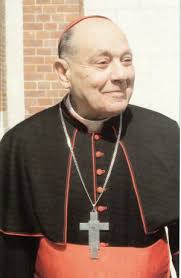
He left the post of archbishop of Turin on 31st of January 1989. He died in Bocca di Magra, in the Carmelite spirituality house, where he had retired, on June 21st, 1998 at the age of 84. He is buried in the crypt of the hermitage of the Desert house of Varazze.
On 9 October 2014, the Diocesan Inquiry into his “life, virtue and reputation of holiness” began in the Archdiocese of Turin.
Procedure
1. The canonical norms concerning the procedure to be followed in the Causes of Saints are stated in the Apostolic Constitution Divinus Perfectionis Magister promulgated by John Paul II on 25 January 1983 (AAS LXXV, 1983, 349-355).
2. To initiate a Cause it is necessary that at least five years pass after the death of the candidate. This is to allow for greater balance and objectivity in the evaluation of the case and to allow the emotions of the moment to decant. There must be a clear conviction among people about his/her sanctity (fama sanctitas) and about the efficacy of his/her intercession with the Lord (fama signorum).
Iconography